
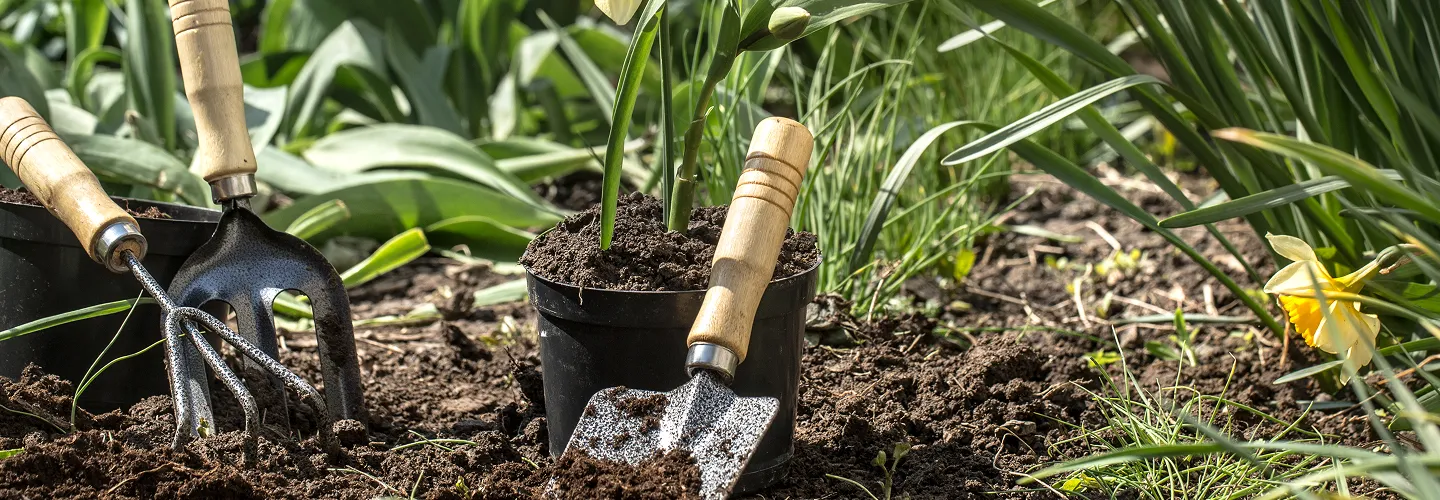
East Hampton Brush Removal Services
Choose our expert brush removal services for safe, efficient clearing that enhances your property's beauty and value—leaving your landscape clean, usable, and ready for your next project.
Get a Free QuoteOur East Hampton Landscaping & Yard Care Services
When to Schedule Brush Removal in East Hampton, Connecticut – Seasonal Guide
In East Hampton, Connecticut, the best times for brush removal are typically late winter through early spring and again in late fall. These periods align with the region’s climate patterns—after the last frost but before new growth begins, and after leaves have fallen but before the ground freezes. This timing helps minimize disruption to local plant life and ensures easier access to overgrown areas, especially in neighborhoods near Lake Pocotopaug or the wooded lots around Salmon River State Forest. Local environmental factors such as high humidity in summer, the risk of drought in late July, and the prevalence of shaded, moist soils in areas like Cobalt and Middle Haddam all play a role in determining the optimal schedule for clearing brush. Additionally, understanding the local frost dates and soil drainage characteristics can help homeowners avoid unnecessary regrowth or soil compaction. For more information on local environmental guidelines, visit the Sudbury municipal resource.
Local Factors to Consider for Brush Removal in East Hampton
- Tree density and undergrowth in wooded neighborhoods
- Terrain slope and accessibility, especially near lakes or rivers
- Seasonal precipitation and soil moisture levels
- Local municipal restrictions or permit requirements
- Timing around frost dates and periods of high humidity
- Proximity to landmarks like Lake Pocotopaug or Salmon River State Forest
Benefits of Brush Removal in East Hampton

Enhanced Curb Appeal
Improved Lawn Health
Reduced Fire Hazards
Increased Usable Space
Pest Prevention
Faster Project Completion
East Hampton Brush Removal Types

Manual Brush Clearing
-
Mechanical Brush Removal
-
Selective Brush Cutting
-
Brush Mulching
-
Controlled Burning
-
Herbicide Application
-
Stump Grinding and Removal
Our Brush Removal Process
Site Evaluation
Safety Preparation
Brush Clearing
Debris Removal
Final Inspection
Why Choose East Hampton Landscape Services
-
East Hampton Homeowners Trust Us
-
Expert Lawn Maintenance
-
Reliable Seasonal Cleanup
-
Professional Team
-
Competitive Pricing
-
Personalized Service
-
Satisfaction Guarantee
Brush Removal Coordination with East Hampton’s Department of Public Works
Effective brush removal in East Hampton requires strict adherence to municipal collection schedules and disposal protocols. The Department of Public Works oversees curbside brush collection, typically scheduled for the first Monday of each month from April through November. Residents must bundle brush in lengths not exceeding 4 feet and use biodegradable twine; plastic ties are prohibited. Accepted materials include branches under 4 inches in diameter, while stumps, logs, and construction debris are not collected. Place bundles curbside by 7:00 AM on collection day. Violations, such as improper bundling or placement outside designated times, may result in fines. For large-scale removal or commercial projects, a permit may be required, with review times averaging 5-10 business days.
East Hampton Department of Public Works
1 Community Drive, East Hampton, CT 06424
Phone: (860) 267-4747
Official Website: East Hampton Department of Public Works
Soil and Site Considerations for Brush Removal in East Hampton
East Hampton’s landscape is characterized by glacial till soils, primarily the Charlton-Chatfield and Canton series, which are moderately acidic (pH 5.5-6.5) and often stony with variable drainage. Poorly drained areas, especially near Lake Pocotopaug and local wetlands, require careful planning to prevent rutting and soil compaction during brush removal. For sites with high water tables, schedule removal during drier periods (late May through early July or September) to minimize disturbance. Soil testing is recommended before replanting or restoration, with services available through UConn Extension. Key site preparation steps include:
- Avoiding heavy equipment on saturated soils
- Maintaining a 25-foot buffer from wetlands
- Incorporating 2-3 inches of compost to restore organic matter
- Conducting soil tests (15-25 cost) for pH and nutrient status
Environmental Compliance: Wetlands, Stormwater, and Buffer Zones in East Hampton
Brush removal activities in East Hampton must comply with local and state environmental regulations, particularly regarding wetlands and stormwater management. The Connecticut Environmental Protection Act and the town’s MS4 permit prohibit brush or debris from entering storm drains or water bodies. Properties adjacent to wetlands, streams, or Lake Pocotopaug must maintain a minimum 25-foot no-disturbance buffer, with stricter setbacks possible in conservation areas. All debris must be contained and removed promptly to prevent runoff. The Conservation & Lake Commission provides oversight and guidance on sensitive area protection.
East Hampton Conservation & Lake Commission
1 Community Drive, East Hampton, CT 06424
Phone: (860) 267-4468
Official Website: East Hampton Conservation & Lake Commission
For additional compliance information, consult EPA Region 1 and the Clean Water Act.
Equipment Operation Hours and Safety Standards for Brush Removal in East Hampton
East Hampton enforces municipal noise ordinances and safety protocols for brush removal operations. Equipment may be operated during the following hours:
- Monday-Friday: 7:00 AM - 7:00 PM
- Saturday: 8:00 AM - 6:00 PM
- Sunday and holidays: Prohibited
Operators must use commercial-grade chippers and saws equipped with functional mufflers, maintaining noise levels below 85 decibels at property lines. All personnel are required to wear ANSI Z87.1 safety glasses, hearing protection for equipment exceeding 85 dB, steel-toed boots, and high-visibility vests when working near roadways. Maintain a 15-foot clearance from overhead utilities and public sidewalks. For work near public roads, advance warning signage and traffic cones are mandatory.
East Hampton Police Department
20 East High Street, East Hampton, CT 06424
Phone: (860) 267-9544
Official Website: East Hampton Police Department
What Neighborhoods Do We Serve Throughout East Hampton, CT?
- Lake Pocotopaug Area: Dense tree cover and proximity to the lake require strict buffer compliance and careful debris containment to protect water quality.
- Village Center: Historic properties and narrow streets necessitate smaller equipment and adherence to noise ordinances during permitted hours.
- Cobalt: Larger lots with mixed woodland and open fields present challenges for access and require attention to invasive species management.
- Middle Haddam: Steep slopes and rocky soils demand specialized equipment and erosion control measures during brush removal.
- Pine Brook: Suburban development with compacted soils and underground utilities requires careful planning to avoid infrastructure damage.
- Tarragon Drive Area: Proximity to wetlands and conservation lands mandates extended buffer zones and coordination with the Conservation & Lake Commission.
State and University Resources for Brush Removal Best Practices in East Hampton
For technical guidance on brush removal, soil restoration, and invasive species management, East Hampton residents can access resources from UConn Extension and the Connecticut Department of Energy and Environmental Protection (CT DEEP). UConn Extension offers soil testing, plant selection advice, and best management practices for site restoration. CT DEEP provides regulatory information on wetland protection, stormwater permits, and organic waste disposal. For up-to-date weather and timing recommendations, consult the National Weather Service Boston/Norton office, which covers Middlesex County. East Hampton is located in USDA Hardiness Zone 6b, with optimal brush removal windows in late spring and early fall to minimize soil disturbance and comply with local ordinances.